Category: Souvenirs

  • Korean Souvenirs in Seoul: TWL (티더블유엘), an Itaewon Shop for Things You’ll Keep

    Korean Souvenirs in Seoul: TWL (티더블유엘), an Itaewon Shop for Things You’ll Keep

    Most people fly home with a bag from Daiso and a bag from Olive Young.

    Nothing wrong with that. I go to both — one for household basics, one for cosmetics.

    But there’s another kind of thing you can carry home. Something that outlasts the trip.

    There’s a shop for that a thirteen-minute walk from Itaewon Station. It’s called TWL, and the sign outside spells it out: Things We Love.

    I am not a person who cares about things. I ate rice out of a storage container for years and never thought about it once. Then I bought one plate here.
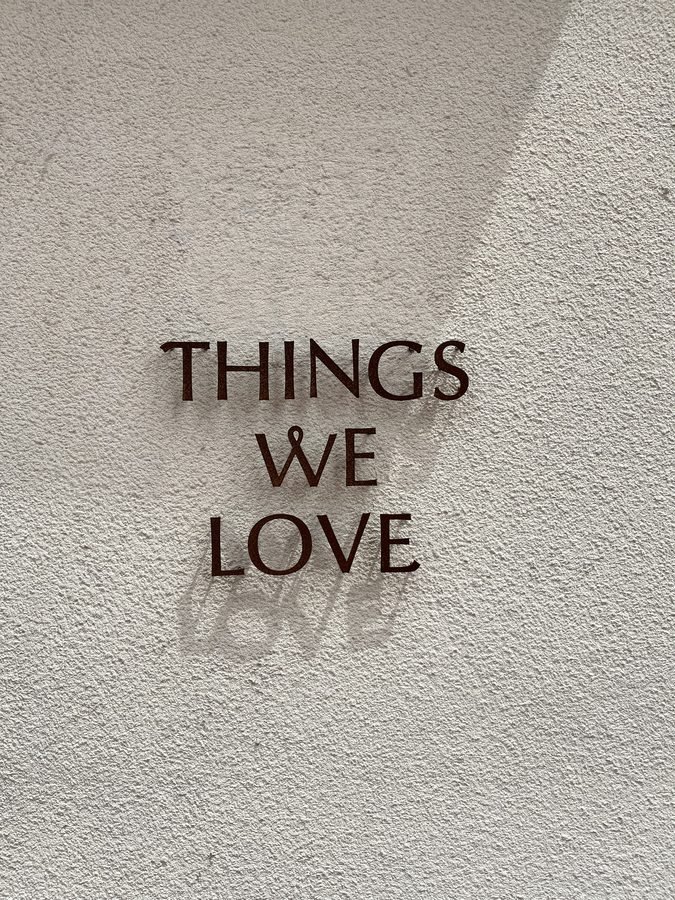
    THINGS WE LOVE carved into the concrete wall outside the shop.

    The plate

    It looks like a full moon. Round, pale, heavier than you expect. The surface is smooth the whole way across, and I keep running my thumb over it.

    The first thing I put on it was melon. Almost the same color as the plate. The two of them looked right together.

    It does ordinary work now. It goes under a teacup. It holds kimchi. Whatever I put on it, I like looking at it.

    I did not expect to care about a plate. I still don’t shop for dishes. But the plate taught me something I didn’t know — that one well-made thing can make an ordinary day richer.
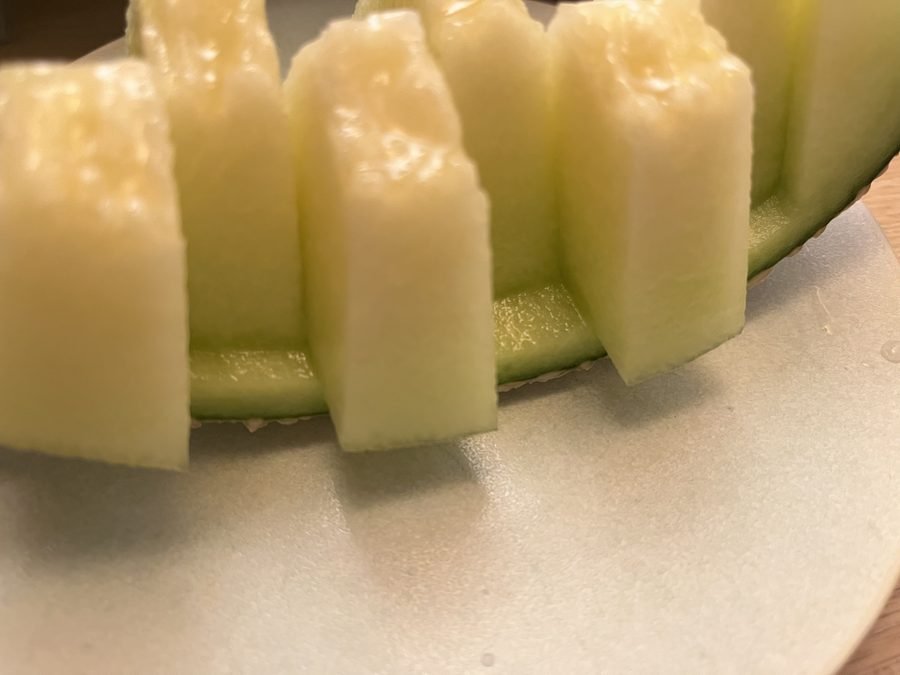
    Slices of melon standing on a pale ceramic plate.

    What TWL is

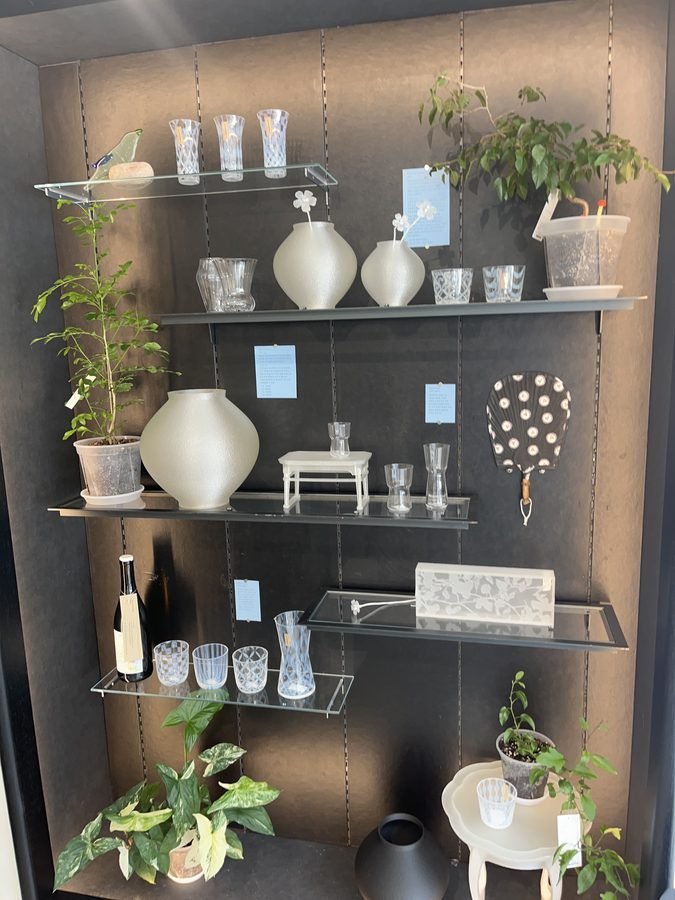
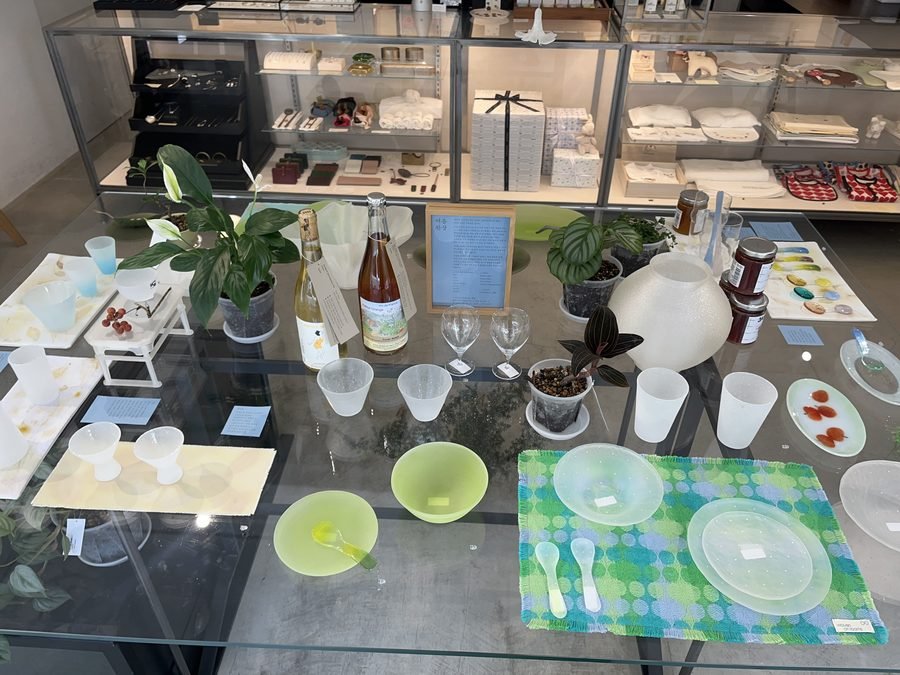
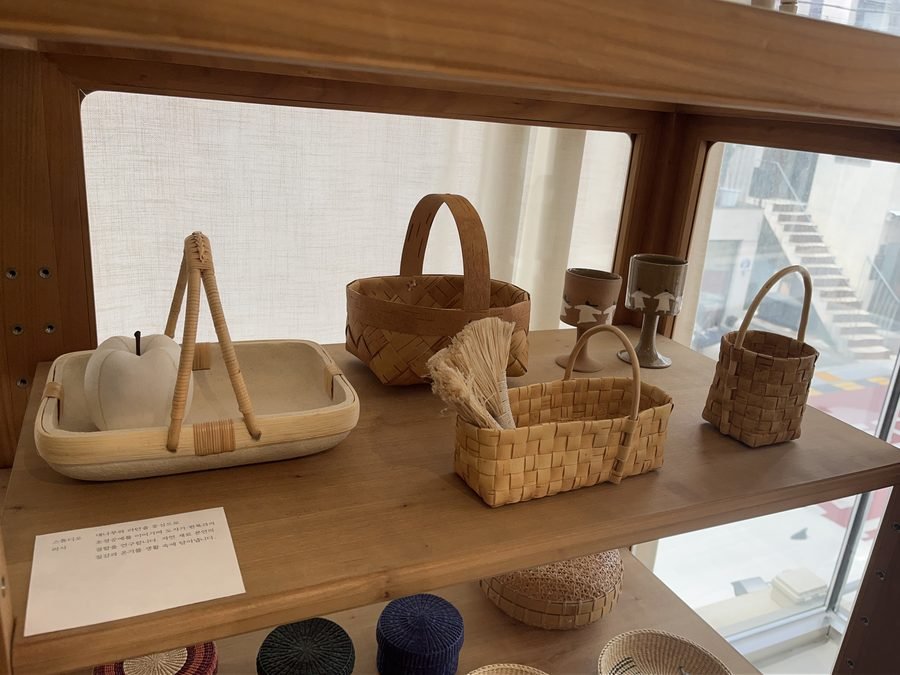
    That plate came from the third floor, off the shelf marked DAILY.

    TWL is four floors. A sign by the stairs tells you the whole shop in four lines.

    1F SEASONAL — gifts & delights
    2F TIMELESS — craft collection
    3F DAILY — tools & tips
    4F handle with care
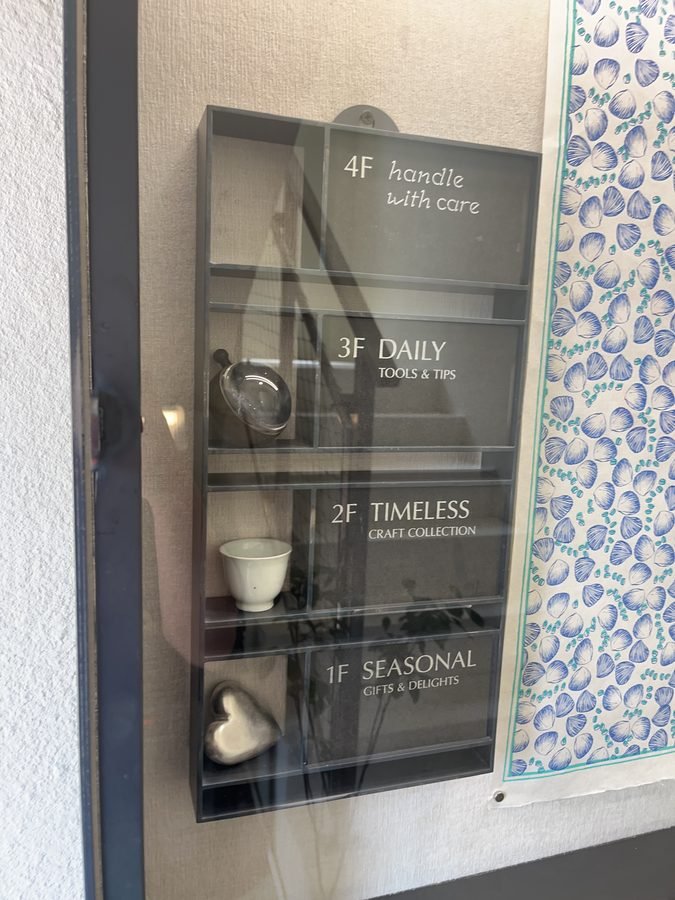
    The floor directory by the stairs: 1F Seasonal, 2F Timeless, 3F Daily, 4F handle with care.

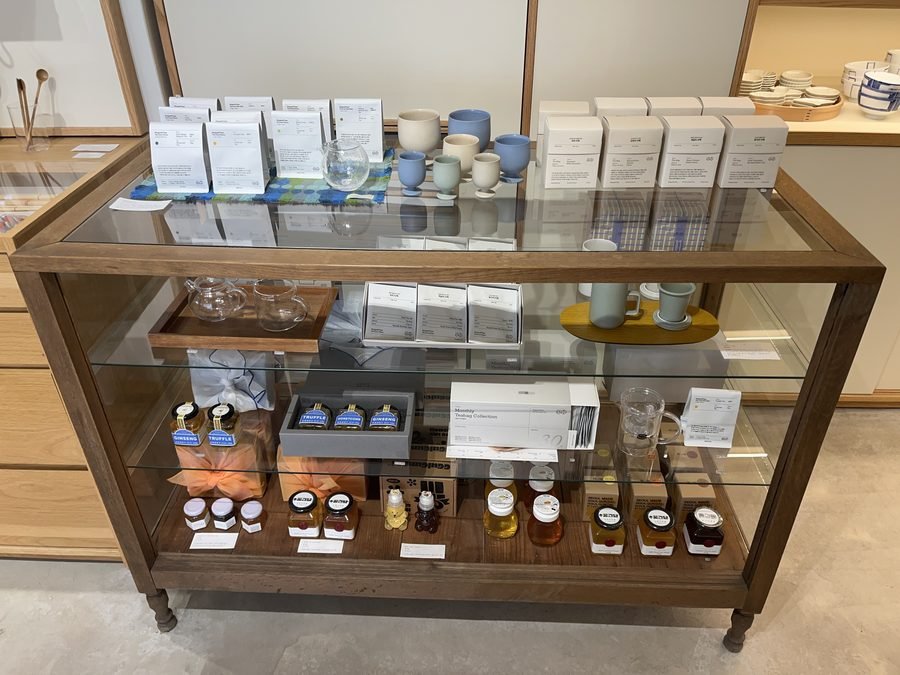
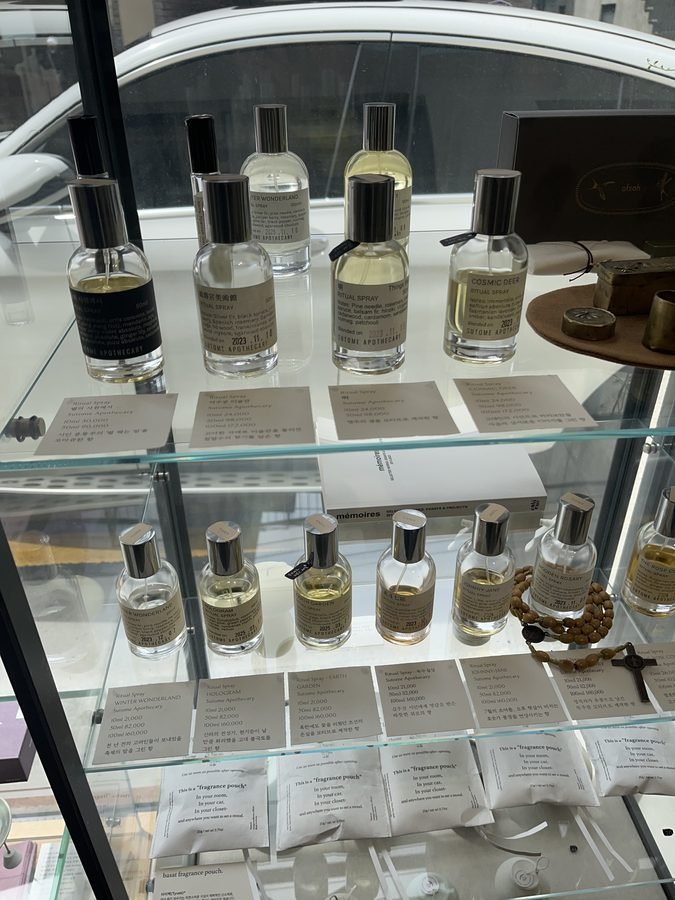
    The first floor changes with the season — seasonal gifts, and pop-ups that come and go.
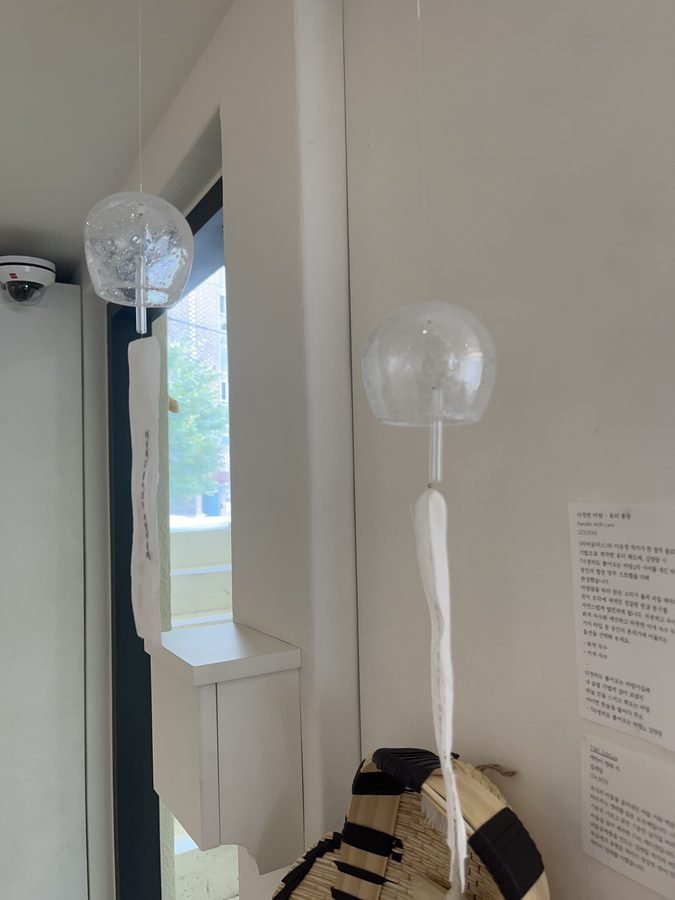
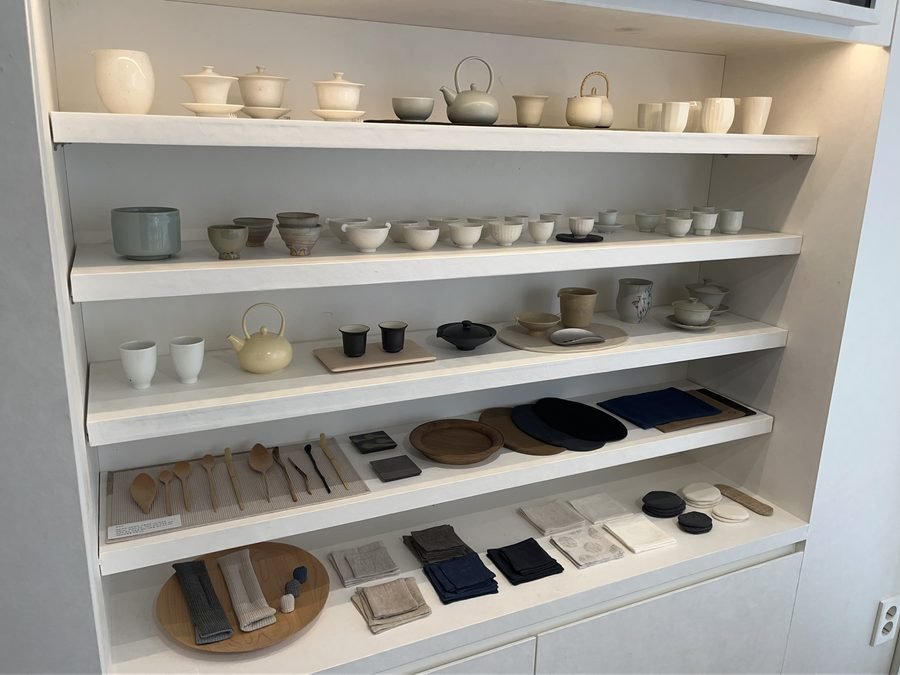
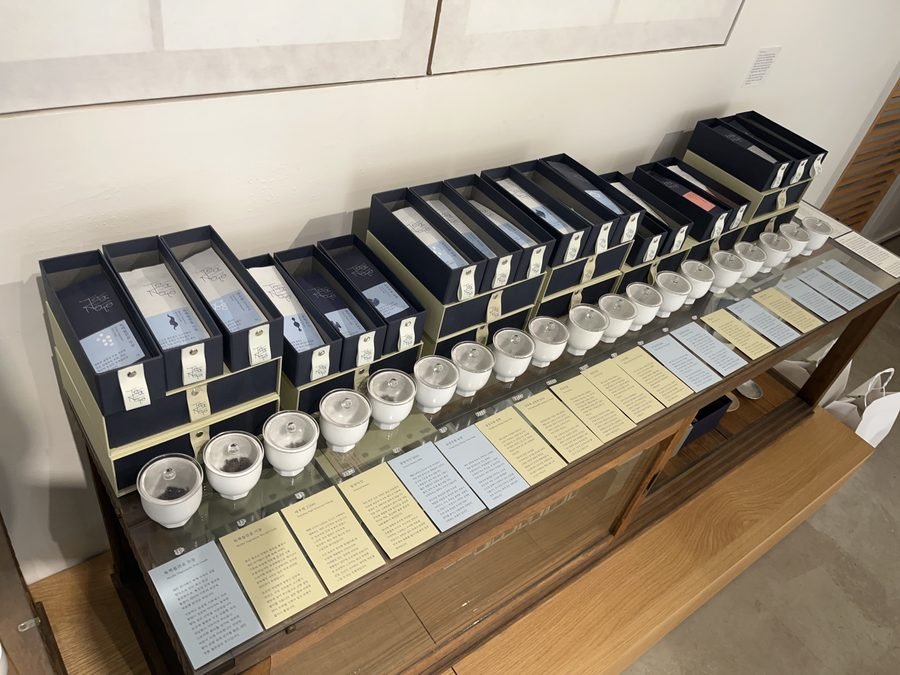
    The second floor is craft meant to last: teaware, and work by makers from Korea and elsewhere. Most of the names I saw there were Korean.
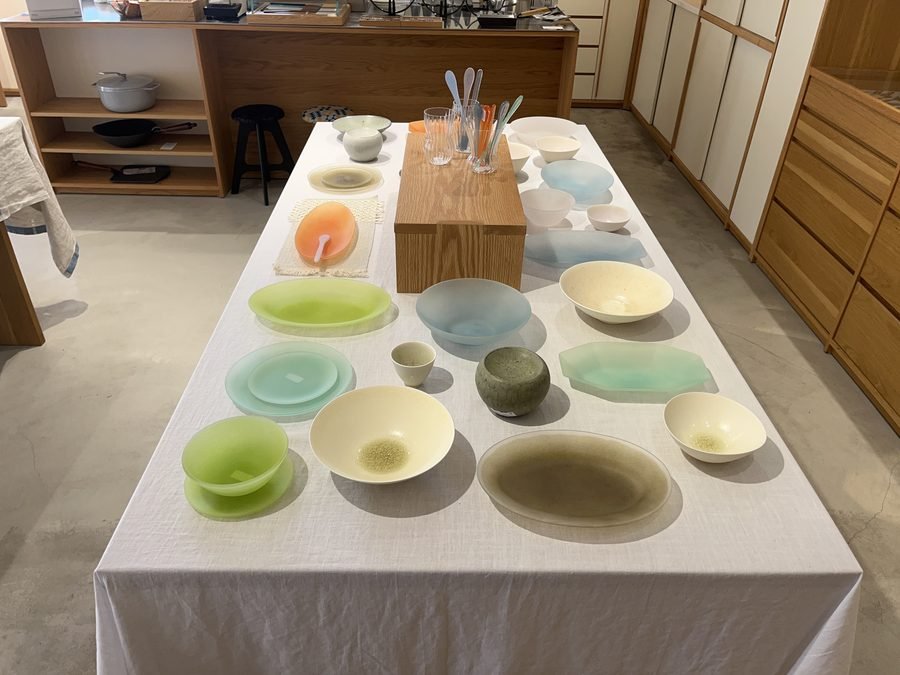
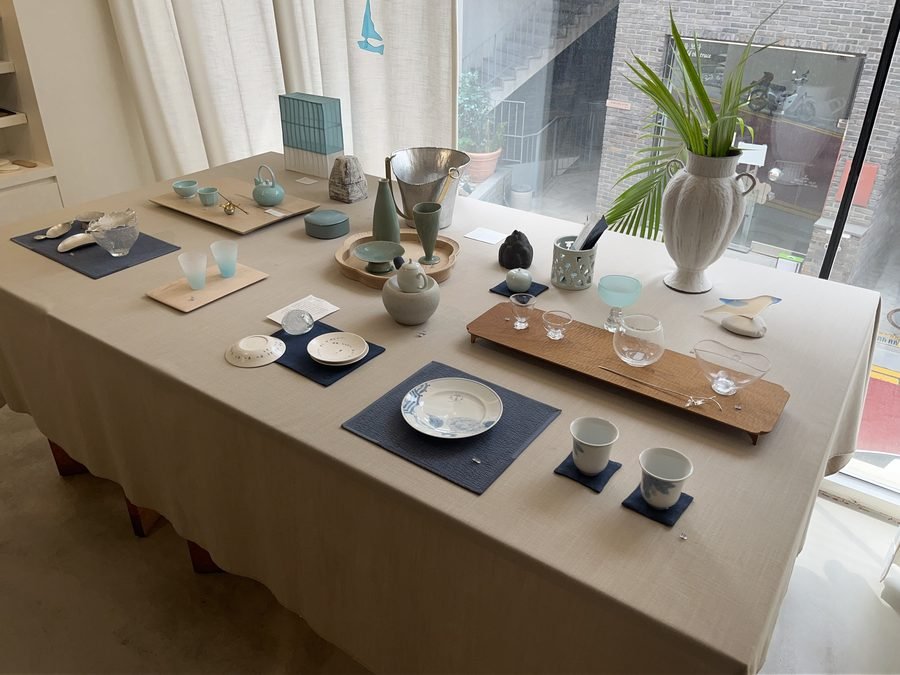
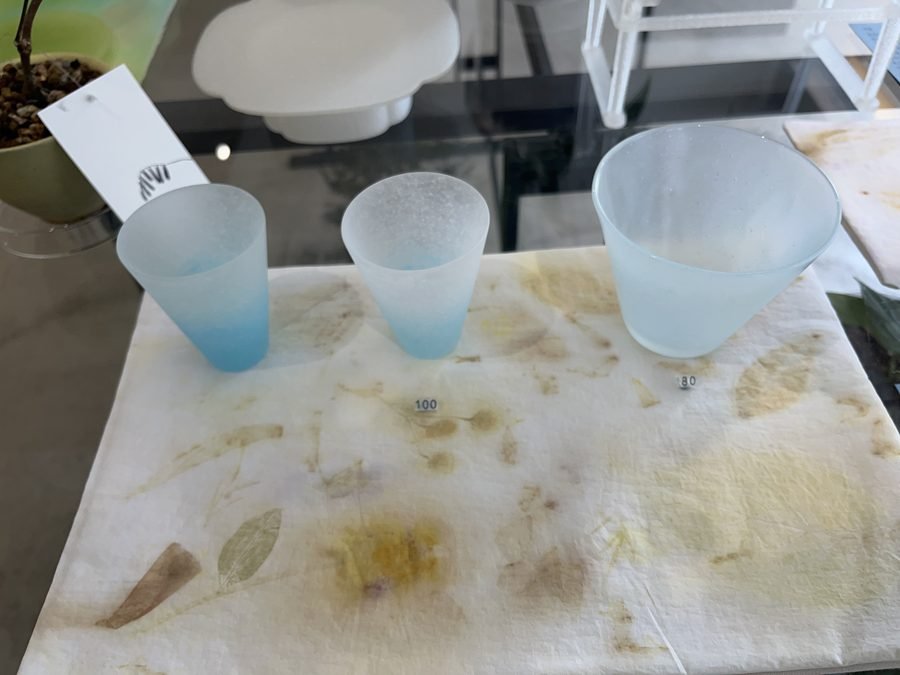
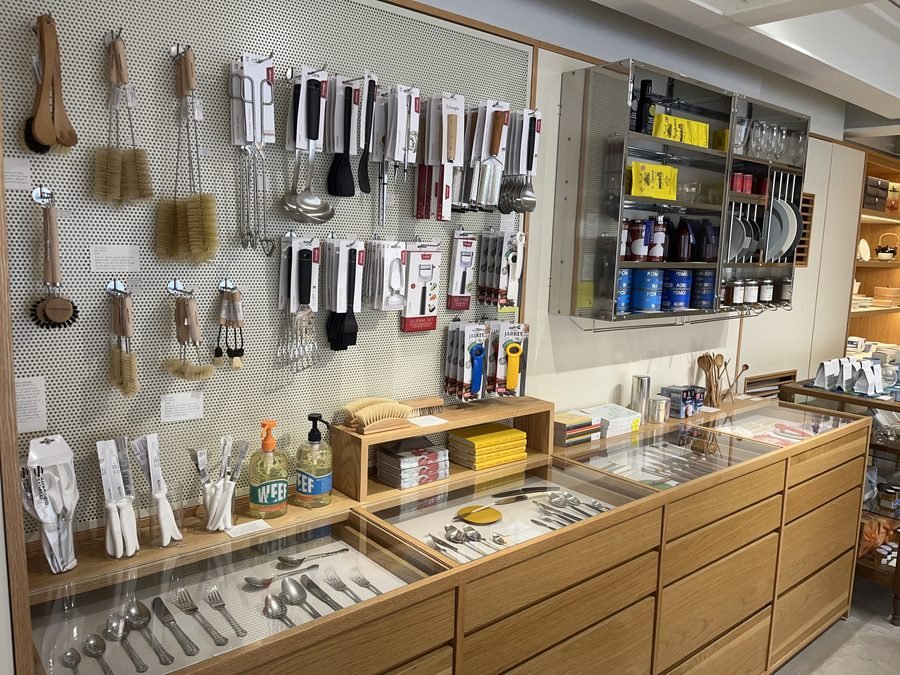
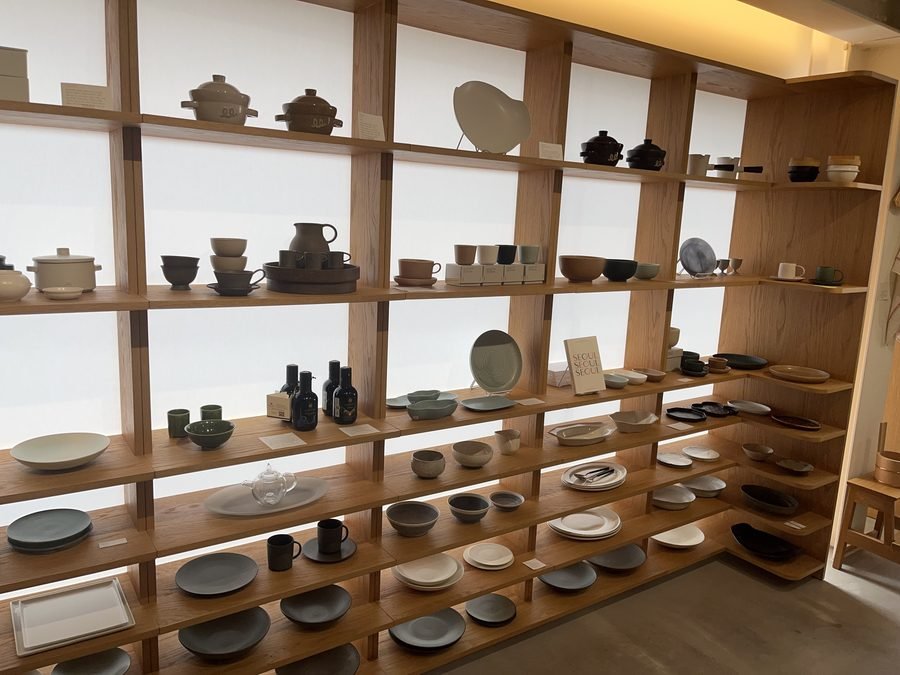
    The third is everyday tableware — ceramics, glass, dishes, cutlery.
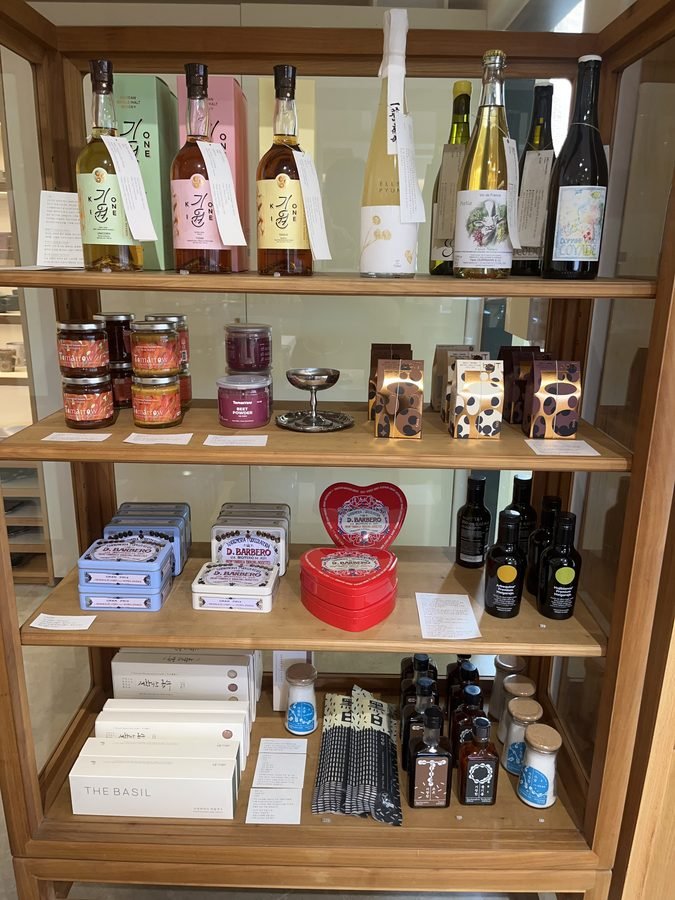
    The top floor isn’t a shop at all. It’s a gallery TWL runs itself. When I went, a brand from abroad had a pop-up in it. What’s up there changes.

    When I’m buying a gift I look under 50,000 won, and I have never had trouble staying there.

    What to look for

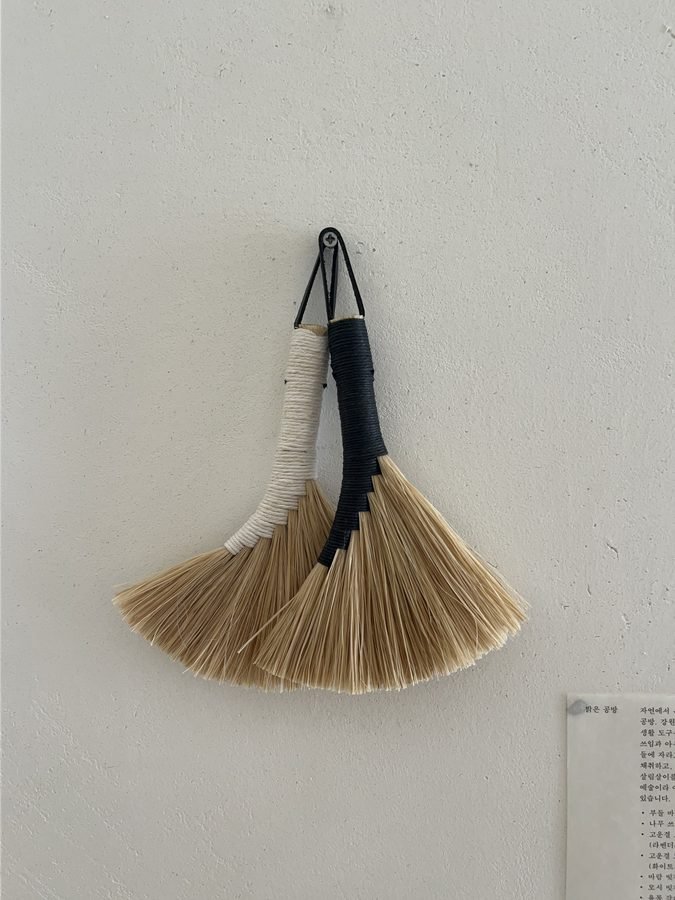
    The shop is called Things We Love, not Things Korean, and plenty of what’s here comes from abroad. But plenty of it is Korean, and that’s why I send visitors here.

    You don’t have to guess which is which. The shelves carry the maker’s name and a few lines about them. TWL also works with makers on pieces of its own — its TWL Edition, sold nowhere else.

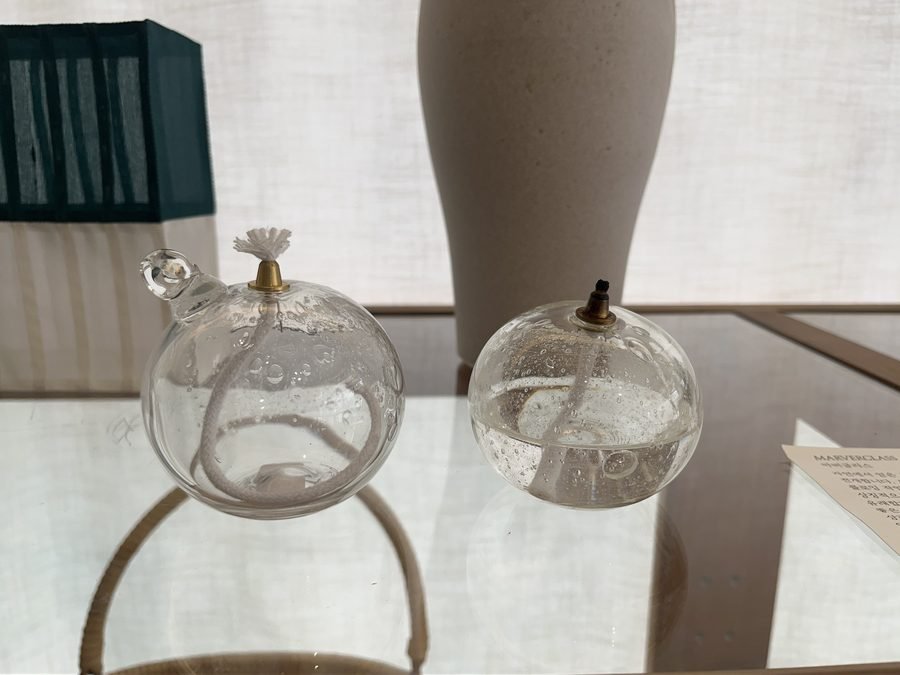
    Most of what I buy at TWL I give away. These four I kept: the plate, a charm I wear on a necklace, a glass object that sits on my desk, and a small teaspoon. I still use all four.
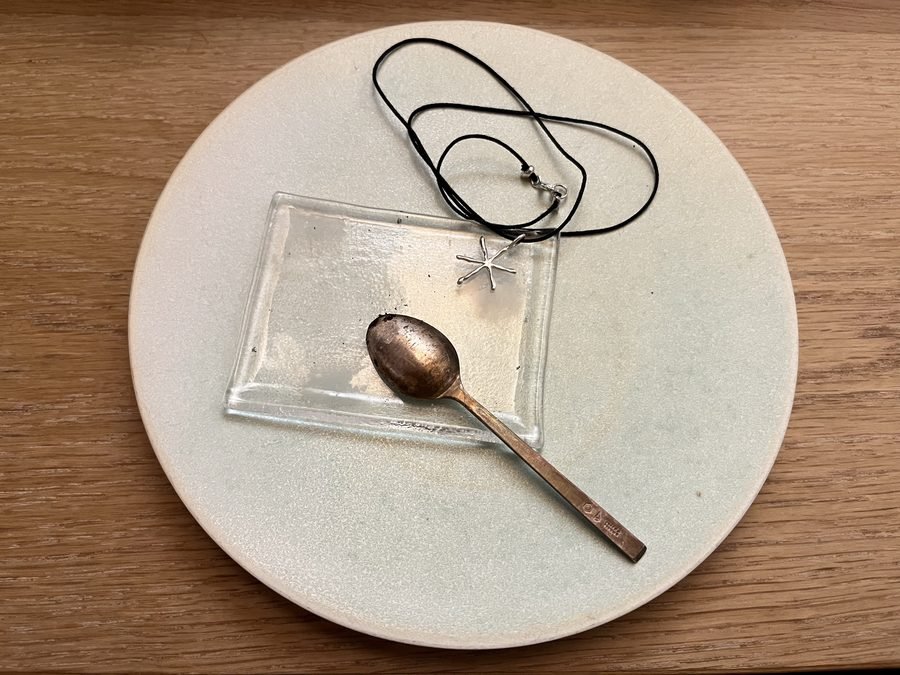
    The four things I have bought at TWL: a round plate, a square glass tray, a teaspoon, and a star charm on a black cord.

    Those are mine. Here’s the rest of the shop. I hope you find one that means something to you.
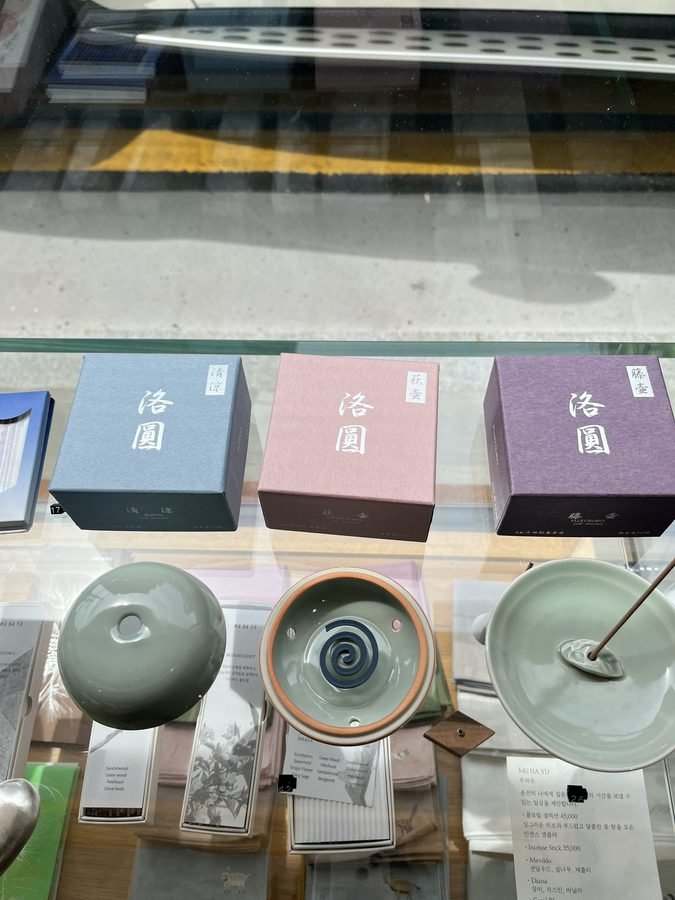
    If you’re going

    Getting there. 34 Noksapyeong-daero 40na-gil, Yongsan-gu. Thirteen minutes on foot from Itaewon Station, Exit 1 — and you’ll walk past a Daiso and an Olive Young on the way, if you still want those. Here’s the shop on Naver Map.
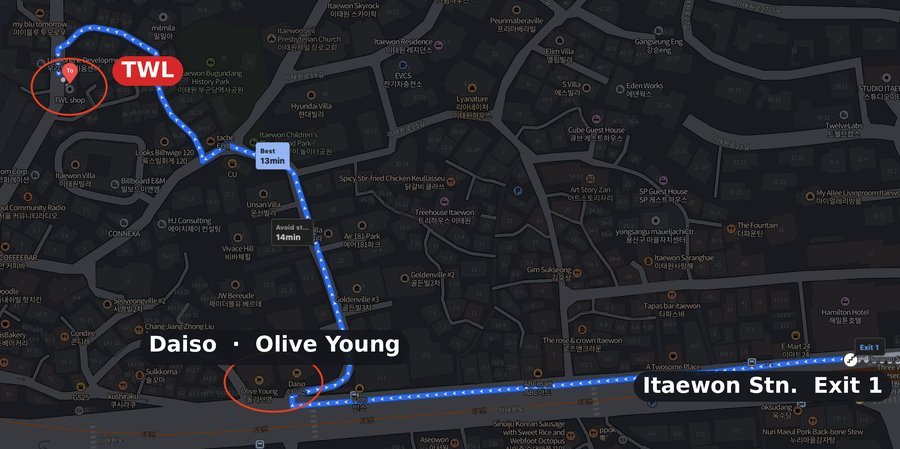
    Walking route on Naver Map from Itaewon Station Exit 1 to TWL, about thirteen minutes, passing Daiso and Olive Young.
    Map: NAVER Map

    Hours.

    Tue–SunNoon – 7:00pm
    MonClosed

    Everything is online at twl-shop.com. The fourth-floor gallery keeps its own site at handlewithcare.kr, where past exhibitions are archived.
  • Korean Coffee Mix (커피믹스): The Cheapest Souvenir That Actually Tastes Like Korea

    Korean Coffee Mix (커피믹스): The Cheapest Souvenir That Actually Tastes Like Korea

    In my last post, I made you a promise.

    I said that one day I’d pick the best mix coffee for you, and share my not-really-a-recipe. Today is that day.

    If you’ve been to Korea, you’ve already met this thing. Korean coffee mix: that skinny foil stick sitting next to the hot water dispenser at a restaurant, a guesthouse lobby, your friend’s office. Free, always there, nobody makes a fuss about it. Most travelers walk right past it.

    Don’t be one of them. Try one — that’s what it’s there for. And then, before you fly home, buy a box. Actually, buy a few: they cost about what a keychain costs, and they taste more like Korea than anything else in the souvenir shop.

    What exactly is Korean coffee mix?

    Korean coffee mix holds three things in one stick, already measured for you: instant coffee, creamer, and sugar. Tear off the top, pour it into hot water, and stir. That’s the whole ceremony. Thirty seconds, no barista, no machine.

    And here’s the part I didn’t know until I wrote this post: Korea invented it.

    In 1976, a Korean company called Dongsuh Foods put coffee, creamer, and sugar into a single package under the brand Maxim — the world’s first coffee mix.

    So why is it everywhere? Because hot water is everywhere. That’s the only equipment it needs, which meant coffee could turn up in places a café never would: a construction site, a mountain shelter, a bank counter, a barracks. Mix coffee became the fuel of Korean work life, and it never left.

    How much of it? Fifty years later, Dongsuh still holds about 88% of Korea’s instant coffee market — every other brand in the country is splitting what’s left. And Maxim Mocha Gold alone reportedly sells around 170 sticks every second. Not every minute. Every second.

    My pick: Maxim Supreme Gold

    So… my pick is Maxim Supreme Gold. The reason is simple: it’s the expensive one.

    In coffee mix, “expensive” means about 50 won a stick more than Mocha Gold, the standard one. Under four cents. It’s the cheapest way I know to feel rich, and I use it every day.

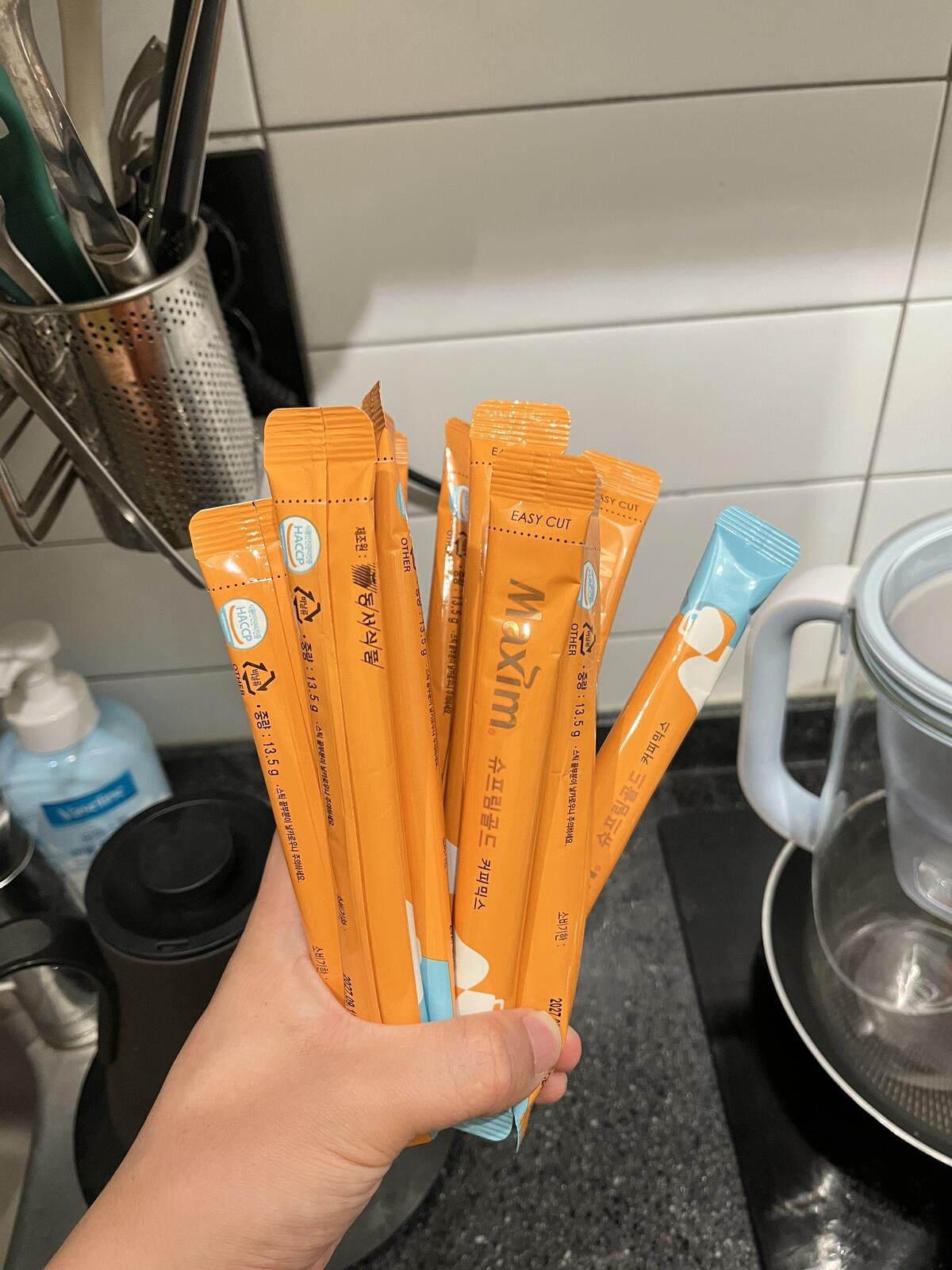
    A hand holding a fan of orange Maxim Supreme Gold Korean coffee mix sticks in a kitchen.
    This is what rich feels like.

    But I’d like to think it’s not only about the price. For me, coffee mix is really about the creamer — that milky body. I drink black coffee too, plenty of it, but this is a different pleasure entirely. So I want the creamiest one, and that’s this one. Dongsuh upgraded the creamer for this line, and you can see it on the label: 60 calories a stick against Mocha Gold’s 50, in a 13.5g stick instead of 12g. That gap is the creaminess. White Gold goes the other way, swapping the creamer for skim milk powder, so it comes out lighter and cleaner. Lighter is fine, but I want creamy.

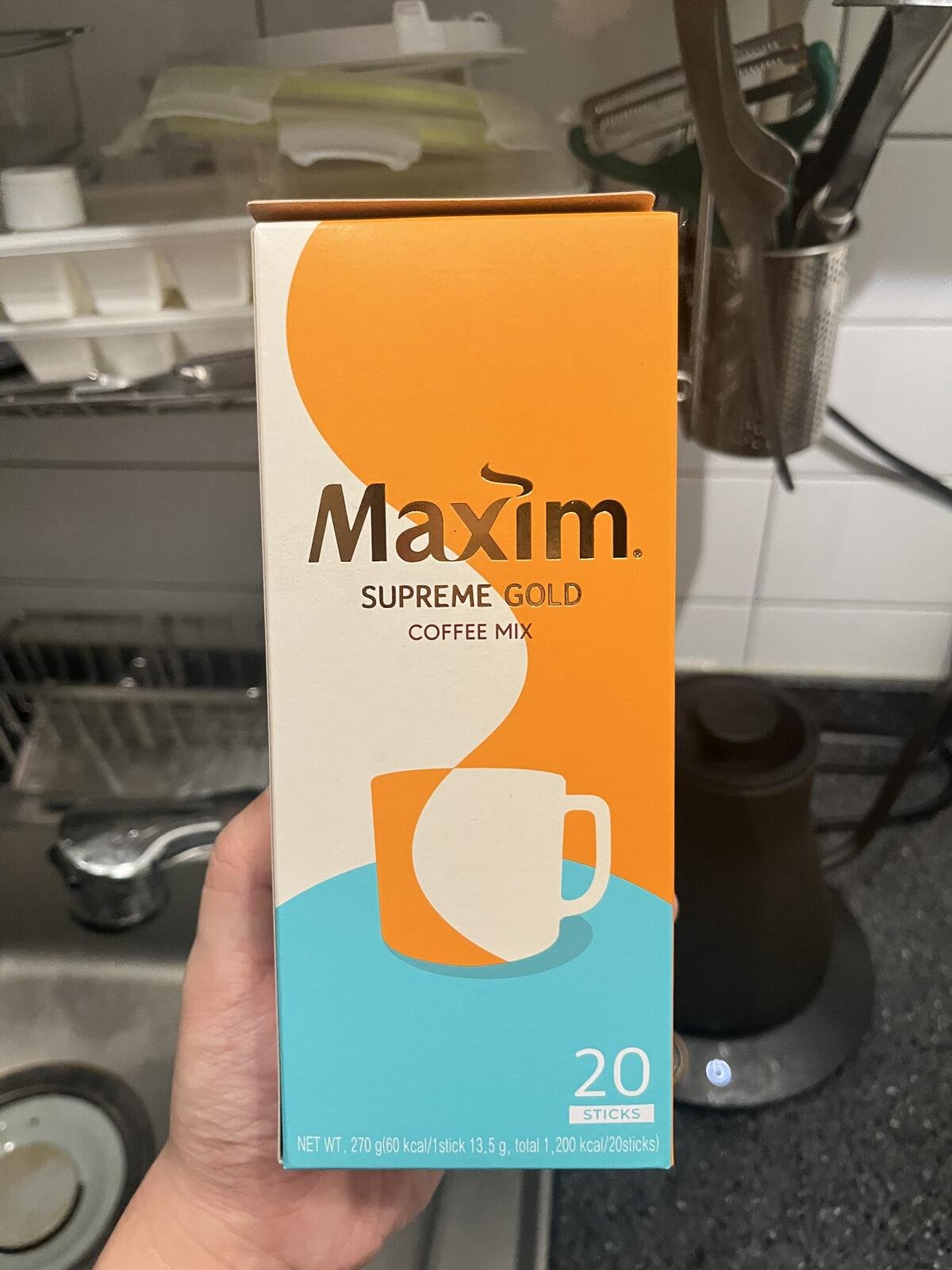
    The box helps too. Clean lines, a little cup on the front, GOLD printed right under the name — it looks more expensive than it is. That’s ideal gift math. And the 20-stick size fits into a corner of your suitcase, which matters when you’re bringing one back for each coworker.

    A hand holding a 20-stick box of Maxim Supreme Gold Korean coffee mix.
    Be honest — doesn’t this look expensive?

    My not-really-a-recipe

    Here it is, the recipe I promised: use milk instead of water.

    That’s the whole thing. I told you it wasn’t really a recipe.

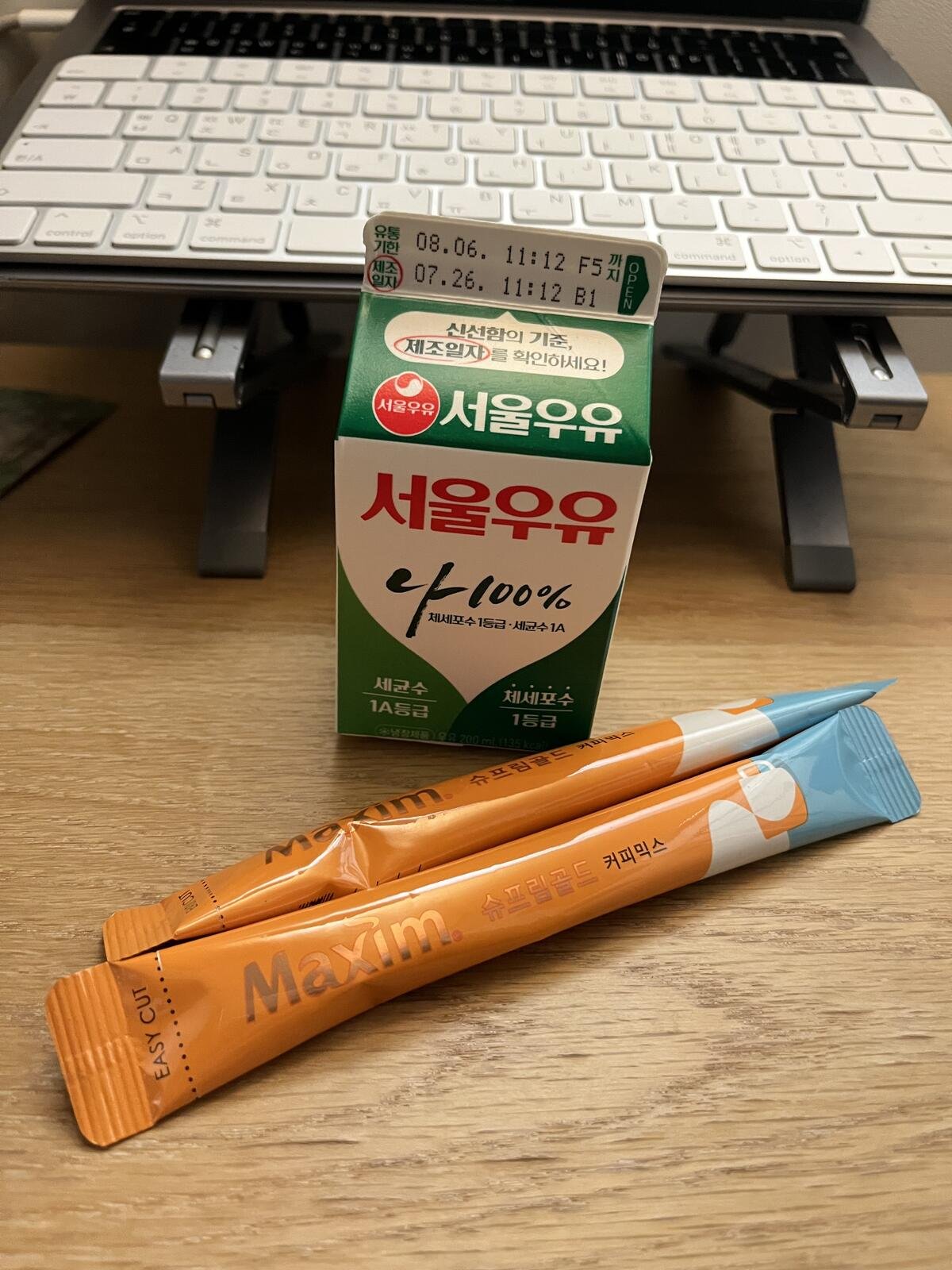
    But I can tell you where I learned it. Every Korean man does his military service, and mine came with a 200ml carton of milk every morning. Milk is fine. What I wanted was a latte. There was no café, no chance — but the admin office had a box of coffee mix, because every room in Korea has a box of coffee mix.

    So one morning I tore open two sticks, poured them into the milk carton, folded the top shut, and shook it as hard as I could.

    A 200ml carton of Seoul Milk next to two Maxim Supreme Gold Korean coffee mix sticks on a desk.
    Two sticks, 200ml of milk. That’s the entire shopping list.
    A hand shaking a milk carton to dissolve Korean coffee mix.
    Shake it with the full desperation of a soldier who wants a latte.

    I expected lumps. Cold milk, powdered coffee — it had no business working. It dissolved. And it was good: sweet, thick, cold, closer to a dessert than to coffee. That carton became my morning for the rest of my service.

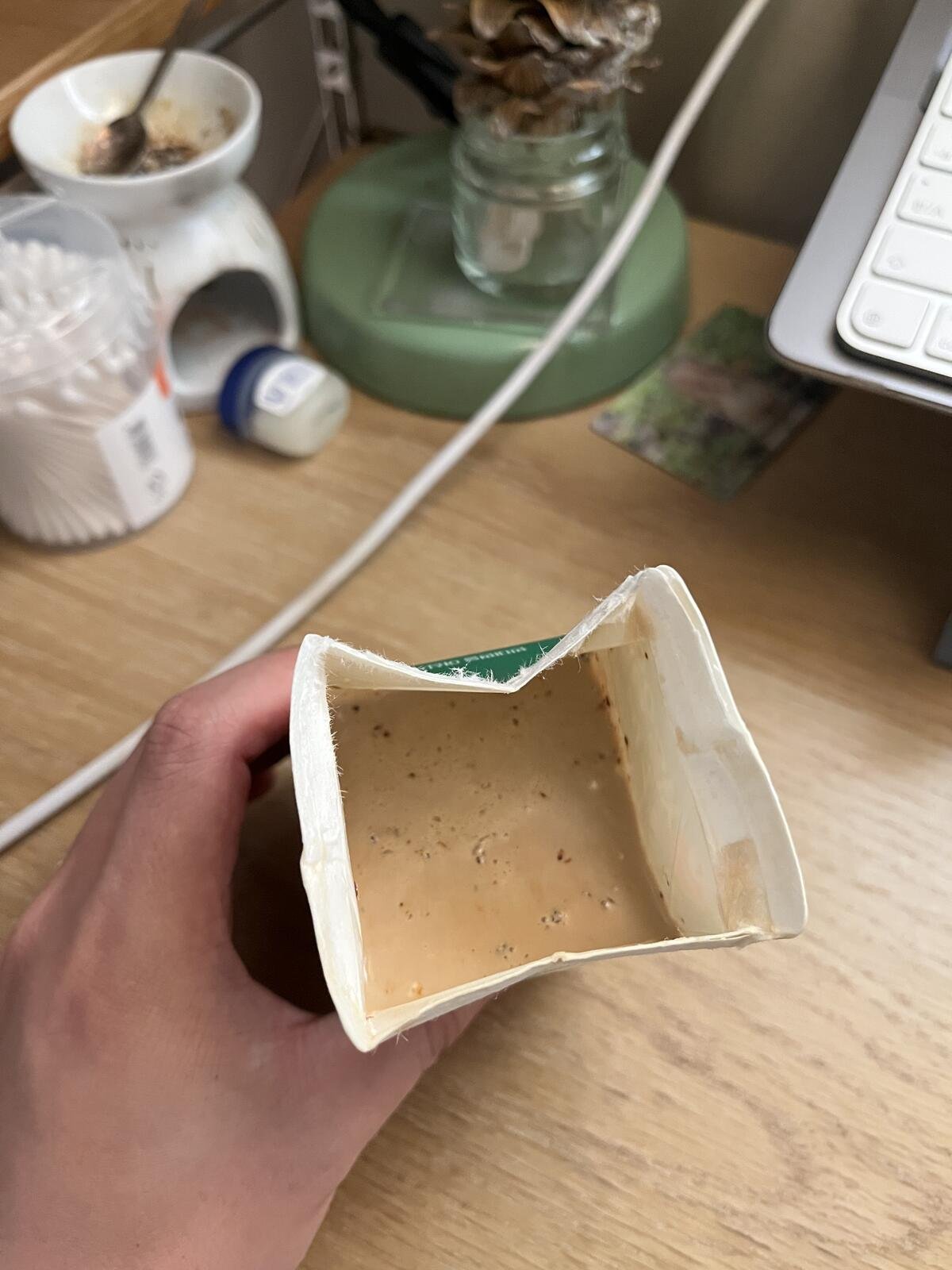
    A view inside an opened milk carton of Korean coffee mix dissolved into the milk.
    You can keep shaking until every last grain is gone. I stop early — the bits that survive are my favorite part. Let me have this.

    Years later I make it like a normal adult, in a cup: a splash of hot water first to melt the powder, then cold milk on top. Less milk than the carton version — I don’t measure it, I just pour until it looks strong. Strong is what I’m after in the morning. And no ice, ever. Ice waters it down, and thick is the entire point.

    Then, writing this post, I went back and made it the old way — two sticks straight into a 200ml carton, shake. It was better. I think it’s the water. Even that little splash thins it out, and the carton version has nothing in it but milk and coffee mix.

    So do it the way I did it in my early twenties, with no kitchen and no other options. 200ml of milk, two sticks, and shake it longer than feels necessary. No ice.

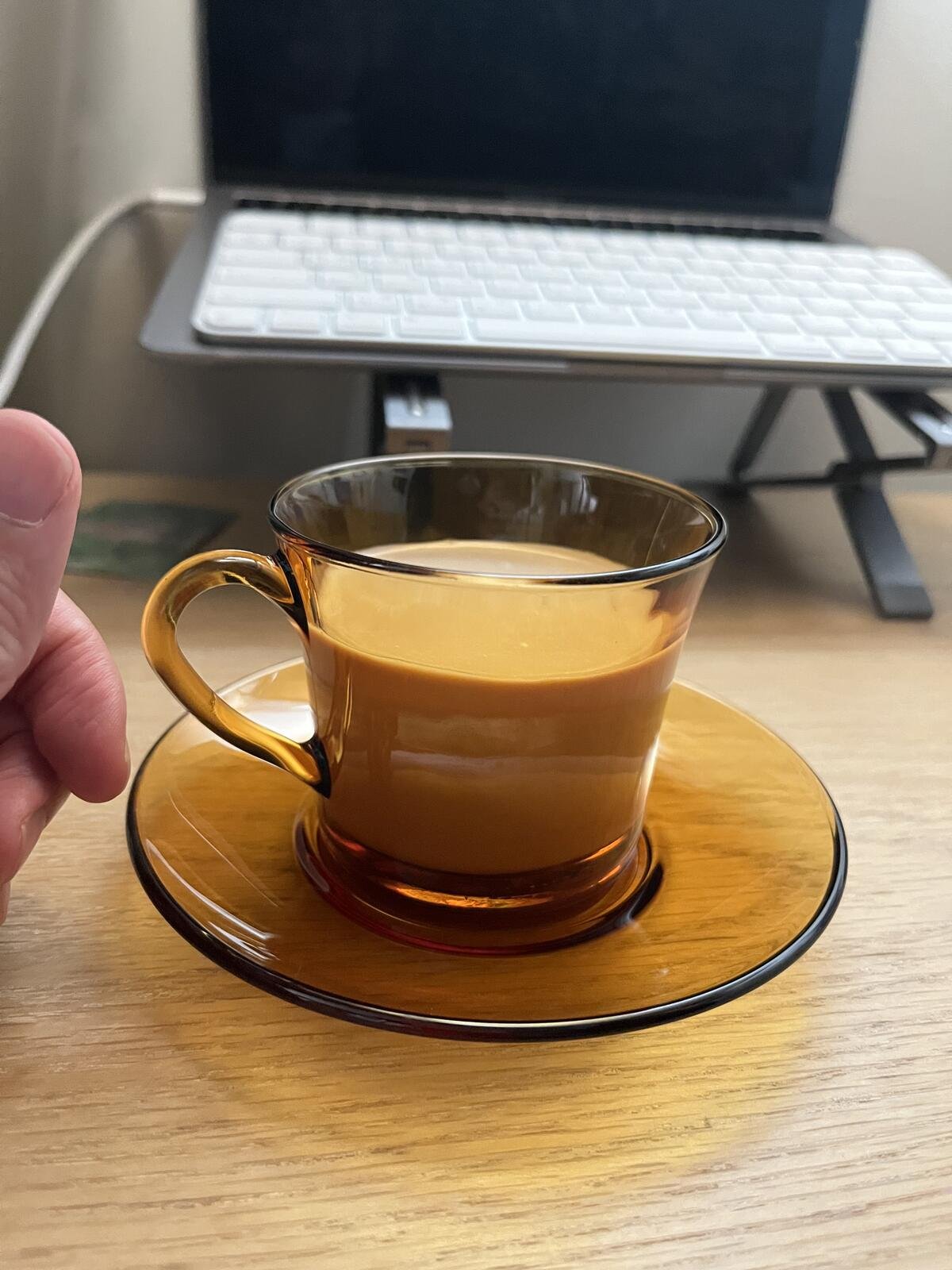
    A glass cup of Korean coffee mix made with cold milk instead of water.
    Looks convincing, doesn’t it? The taste goes past convincing.

    Buying it

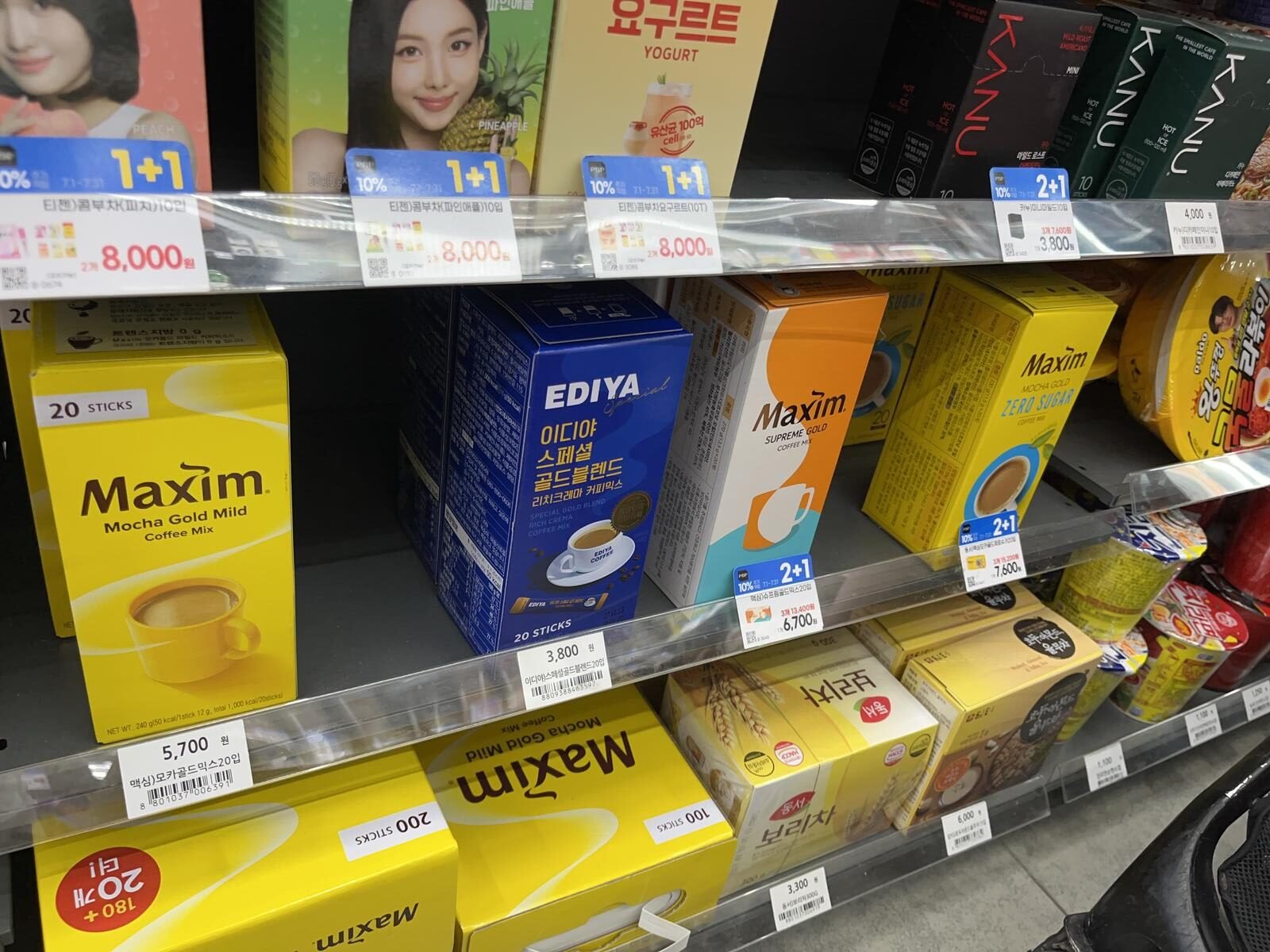
    You don’t have to hunt for this. Walk into any supermarket in Korea — a big one, a neighborhood one, the small one under your hotel — and it will be there, usually a whole shelf of it.

    A Korean supermarket shelf stacked with boxes of Maxim Korean coffee mix in several sizes.
    Coffee mix is everywhere.

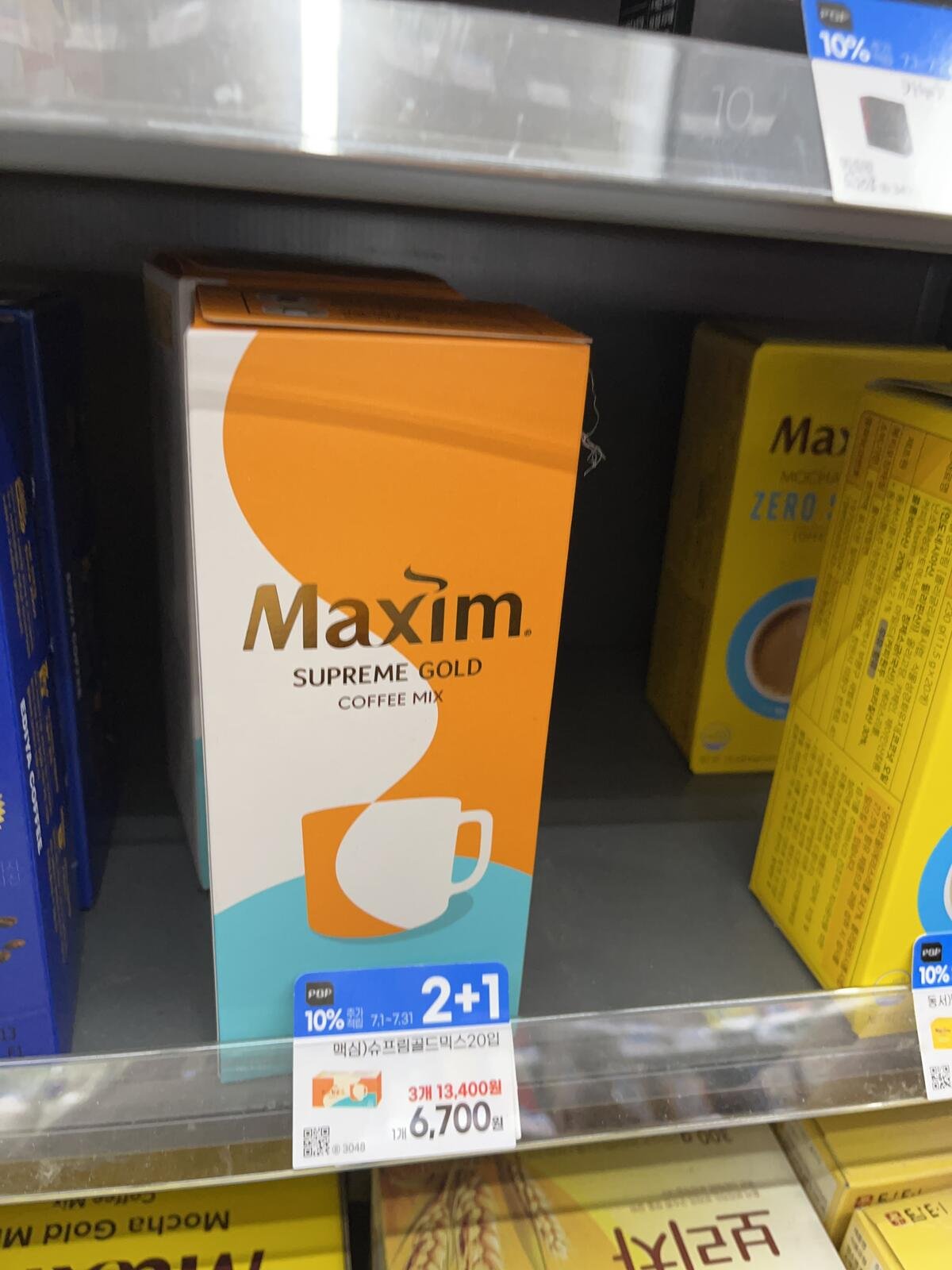
    Get the 20-stick box, the one in the photos above. It’s the size that works as a gift: light, flat, cheap enough to buy five of them, and it doesn’t look cheap when you hand it over. Around 6,000–7,000 won depending on the store, so four or five dollars. Buy one more than you need — the last one is for you.

    A box of Maxim Supreme Gold Korean coffee mix on a supermarket shelf with its price tag.
    You can buy a friend’s heart for four dollars. Five if the store’s expensive.

    And it’s a good thing to fly with. Nothing to break, nothing to leak, nothing a customs officer will look at twice. And whoever you give it to will get more out of it than they would from the keychain you were about to buy instead.